

The #1 Cause of Poor Dryer Performance (And What Most Homeowners Miss)
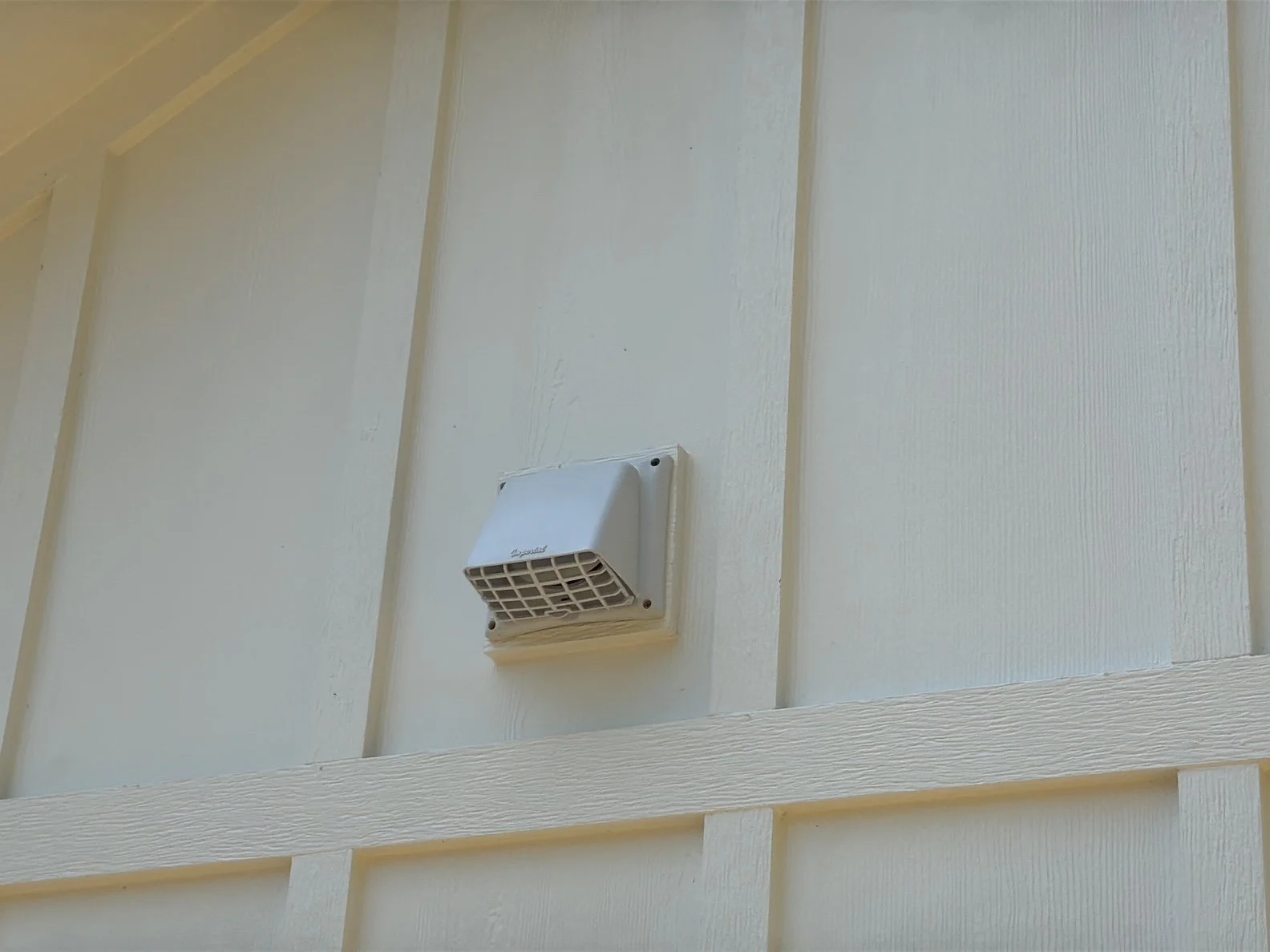
Clothes taking longer to dry is one of the most common complaints homeowners have about their laundry appliances. In many cases, the dryer itself isn’t failing — it’s struggling to breathe.
The number one cause of poor dryer performance is not a bad heating element or an aging appliance. It’s restricted airflow caused by lint buildup and lack of routine maintenance.
Why Airflow Matters for Optimal Dryer Performance
Dryers are engineered to move a large volume of warm, moist air out of the appliance and safely discharge it outdoors. When that airflow is restricted, several things happen:
Drying cycles take longer
Energy use increases
Internal temperatures rise
Mechanical components experience added wear
Over time, this shortens the lifespan of the dryer and increases fire risk due to lint accumulation.
Sneaky Spots to Check for Lint Buildup
Lint doesn’t only collect in the lint trap. It also gradually accumulates in hidden and out-of-the-way areas, including:
Inside the exhaust duct
At bends and transitions
At the exterior termination
Without periodic cleaning, this buildup slowly reduces the effective diameter of the vent, restricting airflow more with each load.
Improper Vent Terminations Make Lint Buildup Worse
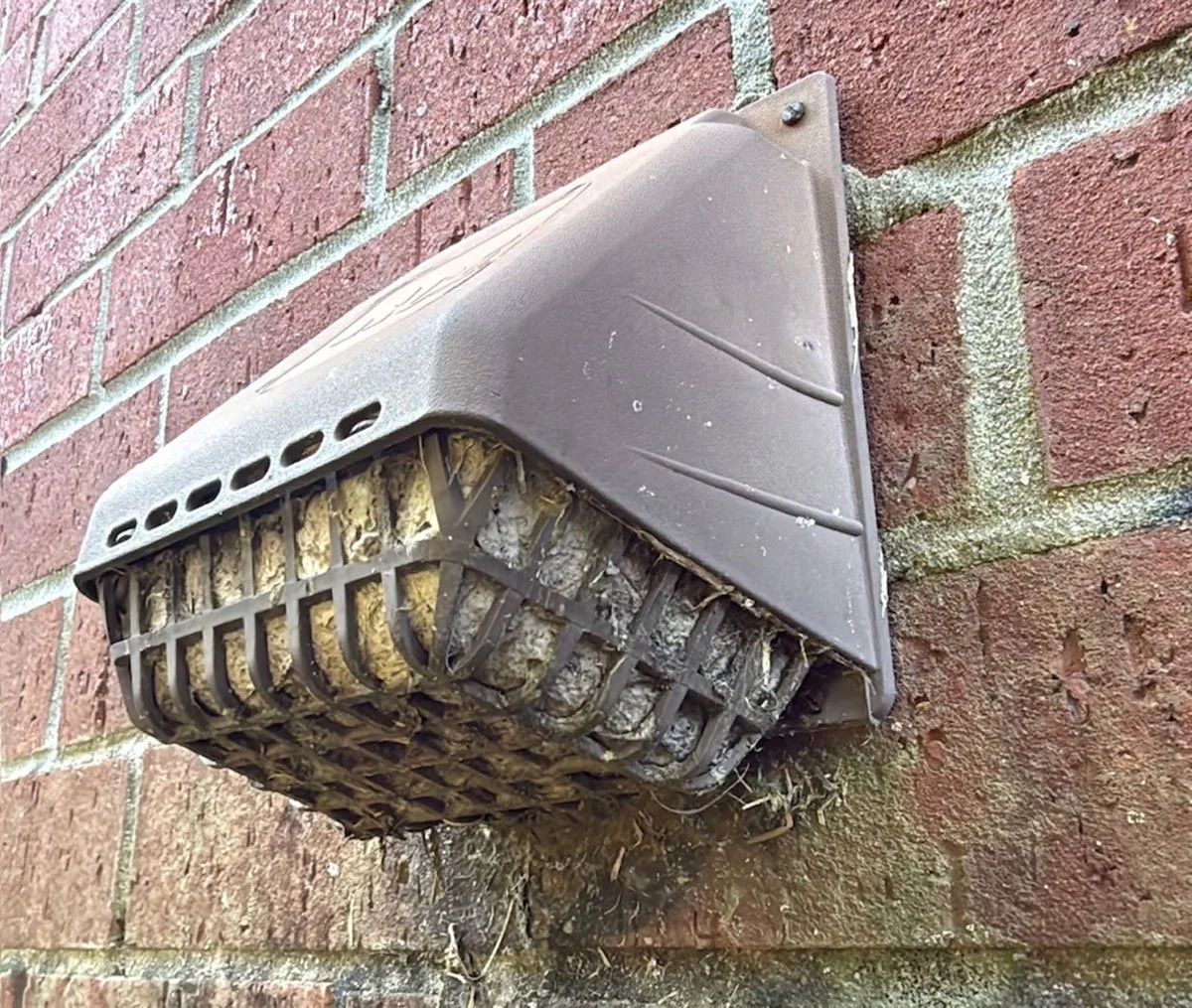
Another issue we commonly observe during inspections is screened dryer vent terminations.
While screens are often installed to deter pests, they are not appropriate for dryer exhausts. Screens trap lint at the exterior vent, causing rapid blockage and compounding the airflow restriction created by internal lint accumulation.
Proper dryer exhausts should terminate with a baffle (damper-style) hood, which:
Opens when the dryer is operating
Allows lint and moist air to exit freely
Closes when the dryer is off to help limit pests and weather intrusion
This design manages airflow without acting as a filter.
Dryer Maintenance Tips for Better Airflow and Performance
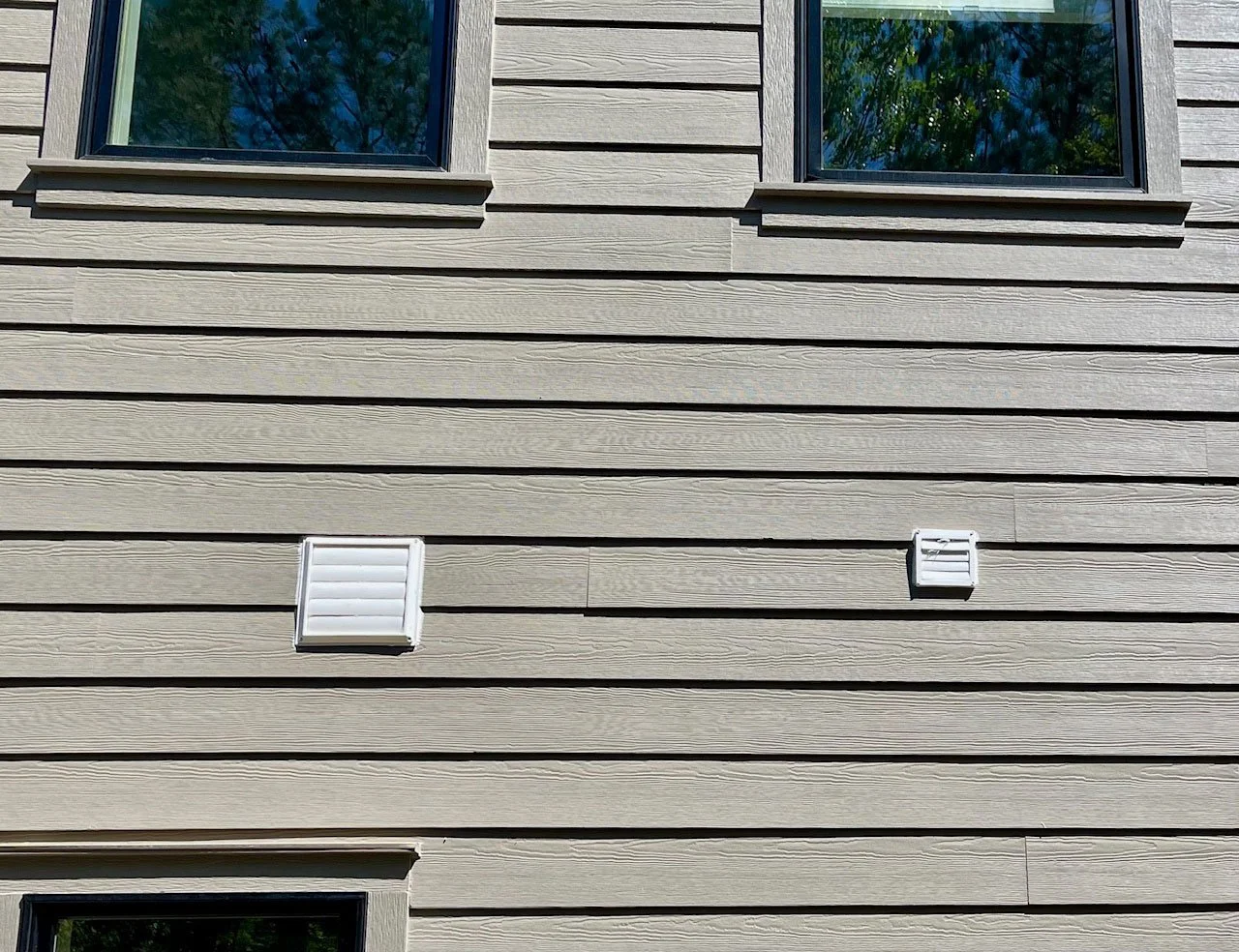
Homeowners can significantly reduce dryer issues with a few simple steps:
Clean the lint trap after every load
Check the exterior vent at least once a year
Replace screened vent covers with approved baffle-style hoods
Schedule professional dryer vent cleaning when drying times start to increase
A professional dryer vent cleaning typically costs $100–$200, and can restore airflow, improve efficiency, and help extend the life of the dryer.
The Takeaway
Poor dryer performance is often the result of small, overlooked maintenance issues, not major appliance failures. Addressing airflow and vent design early can prevent bigger problems down the road.
Small details matter — especially when airflow is involved.