

Planning Before Cutting: Why Structural Framing Deserves Respect
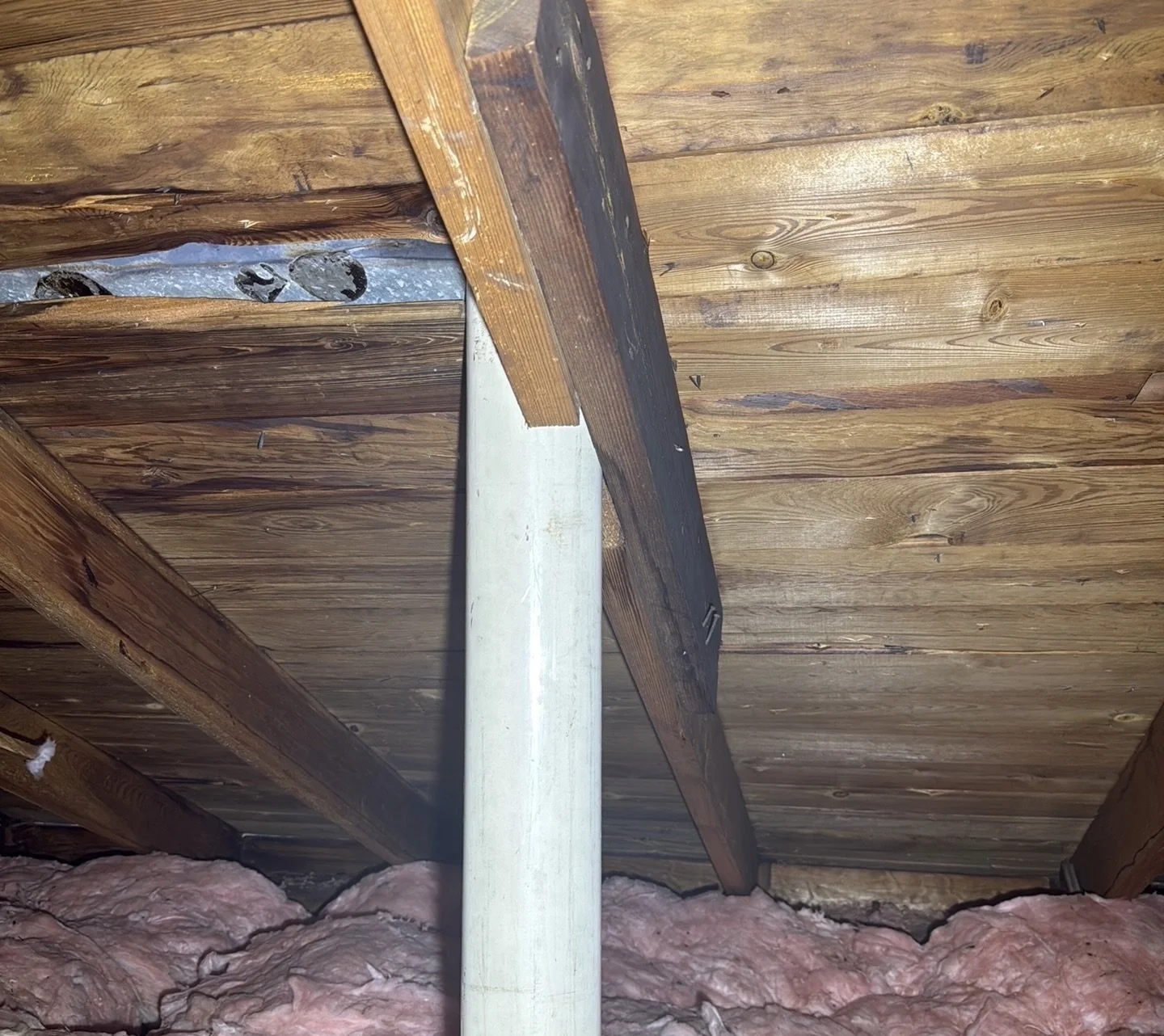
Proper planning and coordination can often prevent the need for structural modifications—whether in new construction or renovation work. Framing is not just lumber assembled to hold finishes; it is a system designed to carry loads safely from roof to foundation. Once that system is altered without forethought, the consequences can extend far beyond the immediate area of work.
Structural Framing in New Construction & Remodels
Well-designed structures account not only for structural load paths, but for the integration of all building systems—plumbing, mechanical, electrical, and ventilation. In an ideal scenario, these systems are considered early, coordinated thoughtfully, and routed in ways that complement the structure, rather than conflict with it. That level of integration is easier to achieve in new construction, and more challenging in remodels, but the principle remains the same: the structure should not be treated as an obstacle to work around, but as a system to be respected and understood.
In practice, many projects—especially renovations—unfold one trade at a time. Plumbing arrives, then mechanical, and then electrical, with each trade often responding to what’s already in place, rather than coordinating ahead of time. While this approach is common, it increases the likelihood that framing will be cut reactively, instead of intentionally. With better upfront communication—particularly between structural framing, plumbing, and mechanical trades—many of these conflicts can be anticipated and avoided.
How to Avoid Issues with Structural Framing & Related Trades
Pre-construction and coordination meetings play a critical role here. Discussing routing paths before work begins allows trades to plan offsets, chases, and transitions that preserve framing integrity. When potential conflicts are identified early, solutions can often be implemented that are cleaner, more efficient, and less expensive than corrective work later. A small investment in planning frequently results in fewer field changes, fewer repairs, and a better-performing building overall.
There are situations where framing modifications become unavoidable. When that happens, those changes should follow accepted best practices. Following best practices includes understanding which members are load-bearing, preserving load paths, reinforcing altered members appropriately, and when required, providing adequate support through headers, blocking, or engineered solutions. Cutting a structural member should never be the final step—it should be part of a plan that considers how the structure will continue to perform over time.
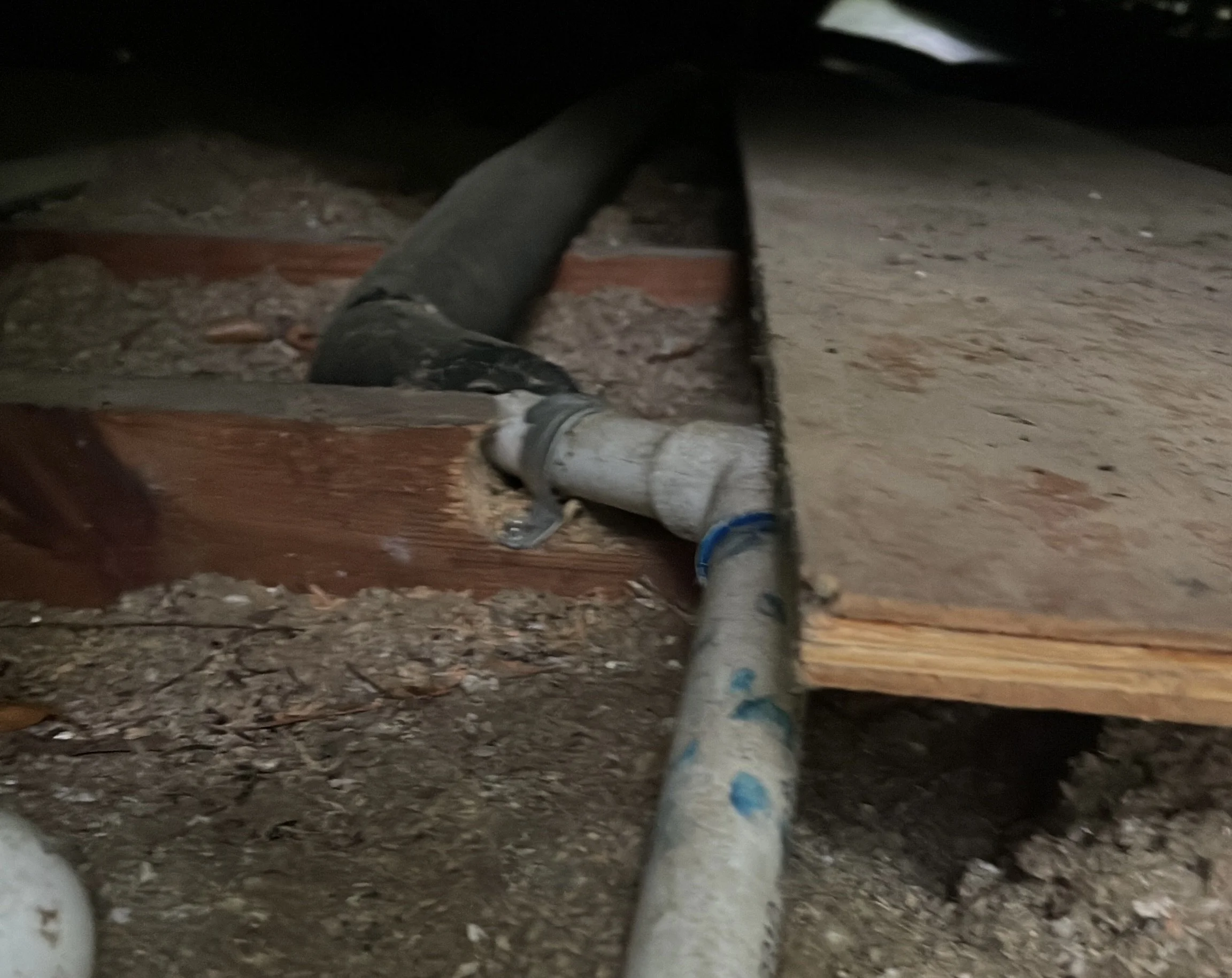
The Impacts of Not Treating Structural Framing as a System
Problems arise when framing is cut without proper consideration of the consequences. Rafters drilled indiscriminately, joists notched beyond allowable limits, or load-bearing members altered and left unsupported can compromise both structural performance and long-term durability. These shortcuts may allow work to proceed quickly, but they often introduce sagging, cracking, alignment issues, or future repair costs that far outweigh any initial savings.
Good work is not just about getting a pipe or duct from point A to point B. It’s about understanding the structure that already exists, coordinating systems thoughtfully, and executing changes in a way that protects safety, efficiency, and longevity. When planning happens upfront—before anything is cut—the result is a building that functions better, looks intentional, and stands the test of time, rather than revealing itself to be a series of structural afterthoughts.