

Understanding Microbial Growth & Mold in Your Home
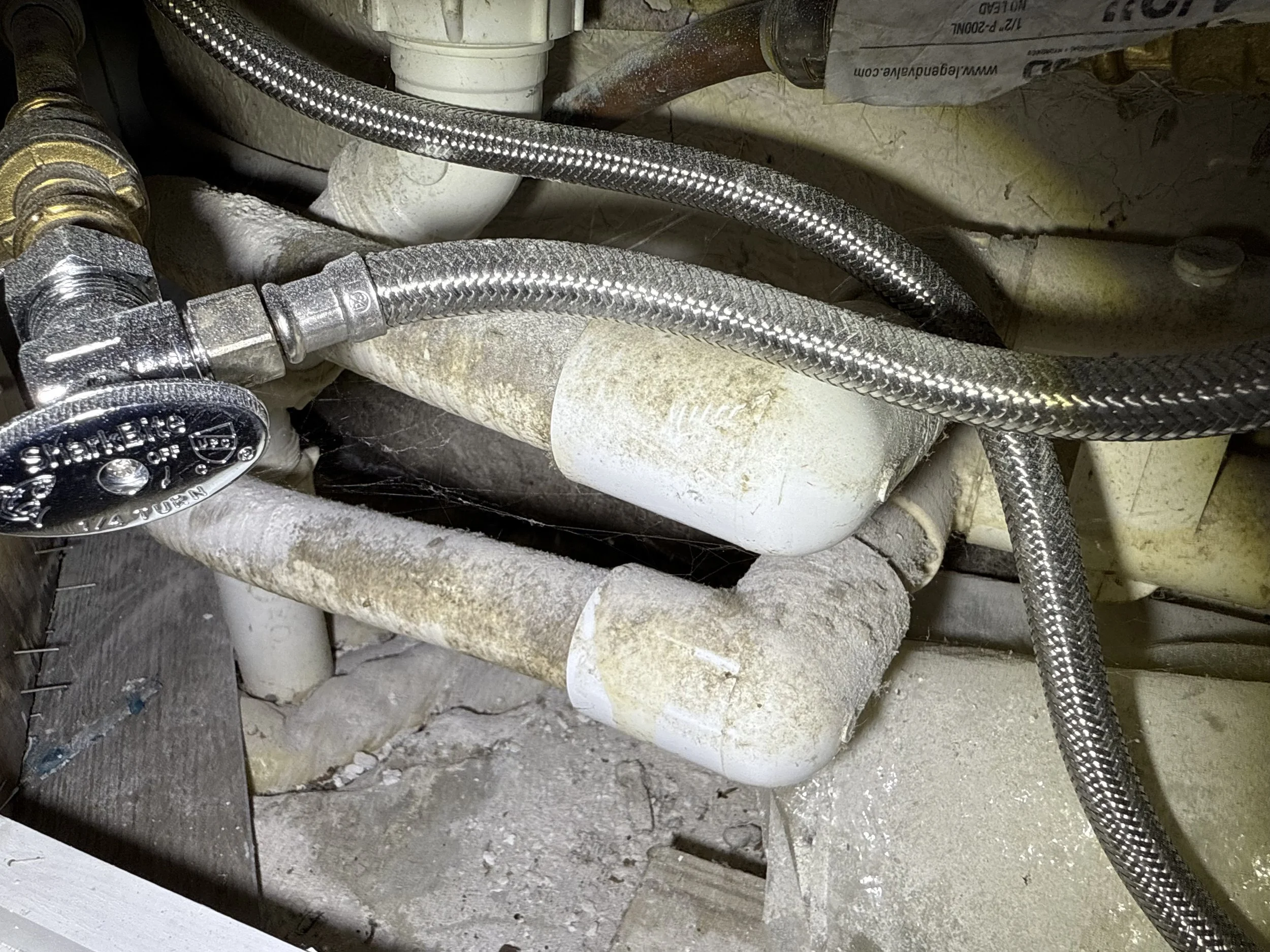
Moisture is the primary driving force behind microbial growth — whether it’s mold, mildew, or other biological organisms. When building materials like drywall, wood, or insulation stay damp long enough, spores that are naturally present in the air can begin to colonize. That growth may be visible as dark or fuzzy patches, or it may remain hidden behind walls and finishes. Even early growth that’s not visible yet can release particles and odors into the living space.
While mold is often discussed in dramatic terms, not all microbial growth indicates a severe concern. The larger issues arise when moisture goes unchecked or when growth becomes widespread. In some cases, mold can contribute to indoor air quality irritation and may aggravate respiratory sensitivities — especially for young children, older adults, and individuals who already struggle with allergies or asthma. A key part of managing a healthy home is managing humidity and moisture sources.
At Gulf Star Inspection Services, we offer targeted assessments when microbial growth is suspected. Our services may include moisture readings, evaluation of ventilation systems, and air or surface sampling if needed. We also provide clear, unbiased guidance to help you address the source of the problem and restore a safe indoor environment. If you’re noticing musty odors, stains, or recent moisture issues, now is the perfect time to reach out.